


How Sleep, Stress, and Hydration Impact Your Eyes
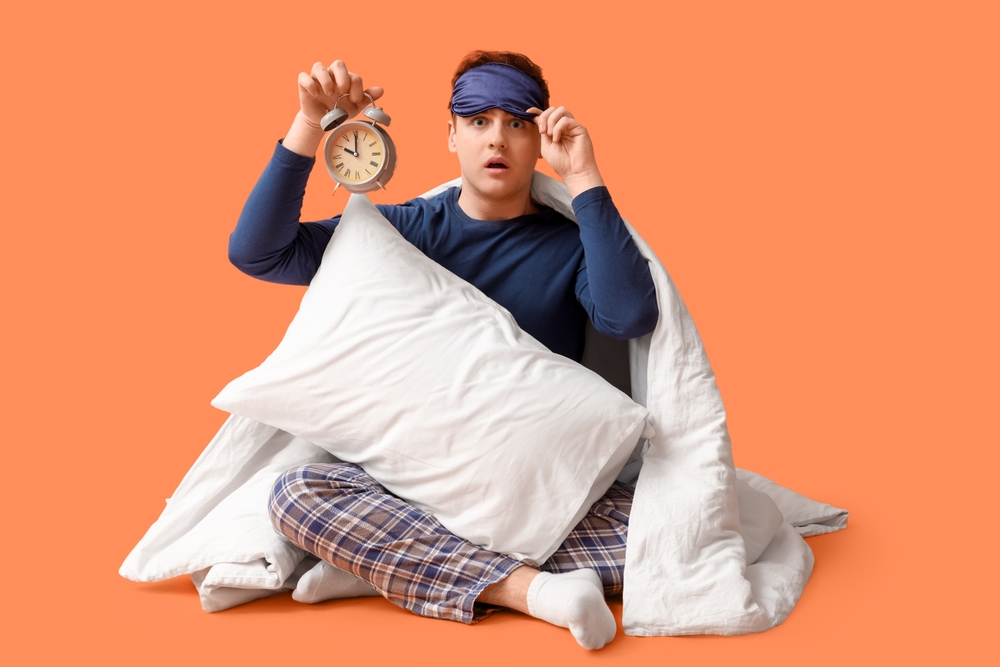
Most people know that sleep and water are important for overall health, but many do not realize how much they affect long-term vision. Your eyes react quickly to changes in your body. If you do not get enough sleep or water, your eyes will let you know.
How Dehydration Affects Your Eyes
Your eyes need enough water to stay comfortable and healthy. Tears are mostly water, with some oils and mucus, and they help keep your eyes moist and clear away irritants. When you are dehydrated, you produce fewer tears, which can make your eyes feel dry and gritty. Without enough tears, your vision might even get blurry for a while.
Signs You Are Not Drinking Enough
Your eyes show clear signs when you need more water. The most common symptoms are dryness and irritation. You might feel like there is always something in your eye. Redness can also occur when your eyes lack sufficient moisture. Some people get styes more often when they are dehydrated.
What Happens When You Do Not Sleep Enough
Your eyes heal and recover while you sleep. Not getting enough sleep robs you of this important time. After several nights of poor rest, your eyes may look red and bloodshot. They can feel dry, itchy, and irritated the next day. Lack of sleep also reduces tear production, leaving your eyes less protected against dust and bacteria. You might even notice your eyes twitching for no clear reason.
Light Sensitivity and Blurry Vision
Not sleeping well can make your eyes more sensitive to bright light. You may squint more during the day. Some people notice their vision gets blurry when they are tired. Your eye muscles also need rest to stay healthy. Without enough sleep, it becomes harder for them to focus.
Long-Term Risks of Poor Sleep
Not getting enough sleep for a long time will surely lead to serious eye problems later on. Studies show that sleep apnea raises the risk of developing glaucoma. Glaucoma harms the optic nerve and can eventually lead to vision loss. Sometimes, eye exams reveal early signs that suggest undiagnosed sleep apnea. Treating sleep apnea often leads to noticeable improvement in eye symptoms.
The Stress Connection
Stress affects your eyes in many ways that you might not actually expect. You might hold hidden tension in your jaw and forehead without realizing it. This physical tension can lead to eye strain and very painful headaches daily. Stress also makes you more aware of minor eye discomfort than usual. Small irritations feel much worse when your stress levels are running high.
Simple Ways to Protect Your Eyes
A few daily habits can really help protect your eyes. Drink water throughout the day, not just when you feel thirsty. Try to eat hydrating foods like cucumbers, watermelon, and oranges. Watch out for caffeine and alcohol, since both can make you dehydrated. Work towards seven to nine hours of sleep, so your eyes can recover. Try to keep your sleep schedule steady, even on weekends.
If you want to learn more about how sleep, stress, and hydration affect your eyes, visit Boozer Eyecare in Cullman, Alabama. You can call (256) 739-4000 to make an appointment.
https://sleepeducation.org/lack-sleep-affects-eyesight/


CONTACT INFORMATION
Call Us:
(256) 739-4000OFFICE HOURS
- Monday 8:00 AM - 5:00 PM
- Tuesday 8:30 AM - 5:00 PM
- Wednesday 8:00 AM - 5:00 PM
- Thursday 8:00 AM - 5:00 PM
- Friday 8:00 AM - 4:00 PM
- Saturday Closed
- Sunday Closed
© 2026 Boozer Eyecare All rights Reserved - Accessibility Statement - Privacy Policy - Sitemap
Page Break
Powered by:
